MCP: protocol and trust
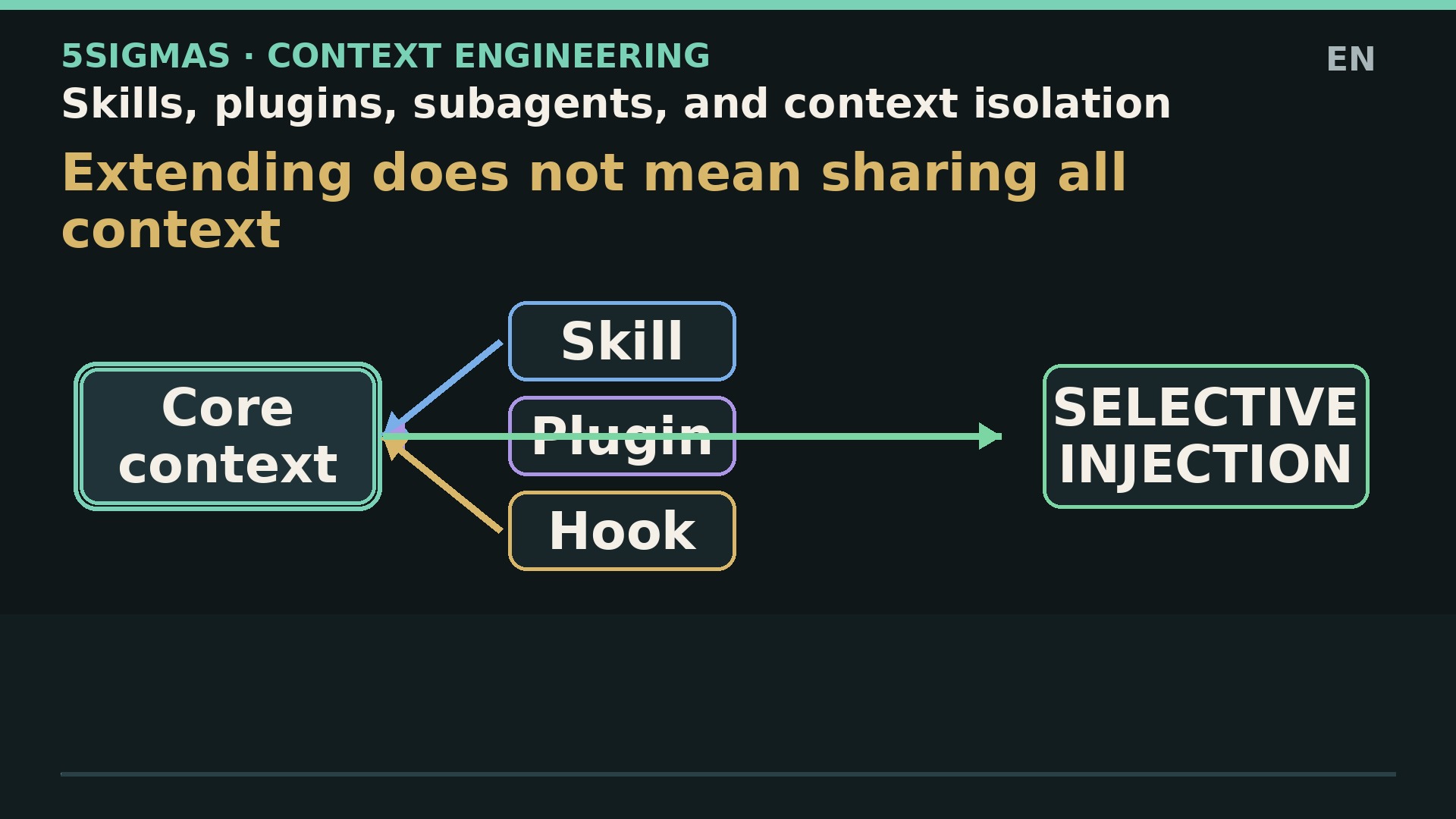
Connecting two servers does not authorise either to receive the other’s data.
Links containing ?t= open the video at a specific second.
The ideas to retain
1. Start with ownership: host, client, and server are not synonyms
The MCP architecture defines three distinct roles.[^mcp-architecture]
Host
The host is the AI application: an IDE, desktop app, chat interface, internal agent, or another product that embeds the model experience.
Client
An MCP client lives inside the host and has a 1:1 relationship with one particular server.[^mcp-architecture]
Jump directly to a section
Read the reviewed transcript
This video has no narration. This transcript reproduces its on-screen text; it does not invent a spoken track.
The host keeps the policy
The host application manages clients that communicate with MCP servers.
Each server exposes capabilities; the host decides what enters the model context.
Connecting two servers does not authorise either to receive the other’s data.
Data, templates and actions
A resource provides URI-identified data; a prompt provides a template.
A tool describes a callable operation and its accepted arguments.
Schema validity does not grant permission to execute. Policy applies to the specific operation.
The version changes the contract
In MCP 2026-07-28, each request carries protocol metadata; it no longer uses initialize.
Two requests may reach different instances. Business state must remain explicit.
server/discover can query capabilities. The client need not always call it first.
A label does not enforce a limit
The server labels a tool read-only. That annotation is a hint, not a guarantee.
The application limits capabilities and the protected service checks actual permissions.
An unauthorised write must fail even when the tool description sounds safe.
A timeout does not prove the outcome
A refund request reaches the service, but its response is lost.
A timeout proves neither failure nor completion. Repeating it can duplicate the effect.
An operation ID and read-back reconcile the state before a retry.
Transport does not confer authority
A resource contains text asking to send a secret to an external destination.
The text keeps its untrusted origin; it does not become host policy.
Egress controls and permissions prevent the effect. MCP connects systems; it does not decide which data is trusted.