The model and the harness
Only then is there a real result: output, errors and an exit code.
Links containing ?t= open the video at a specific second.
The ideas to retain
The model does not own the repository
It helps to separate three objects that commercial interfaces often bundle together.
1. Model
The model is the inference component. It receives a representation of the available context and produces an output: text, structured code, a tool call, or some combination supported by…
2. Coding assistant
Coding assistant is primarily a developer-assistance product experience, not an architectural standard. It may mean completion, repository chat, guided editing, or an interface that can…
Jump directly to a section
Read the reviewed transcript
This video has no narration. This transcript reproduces its visible explanatory text, not an invented voice.
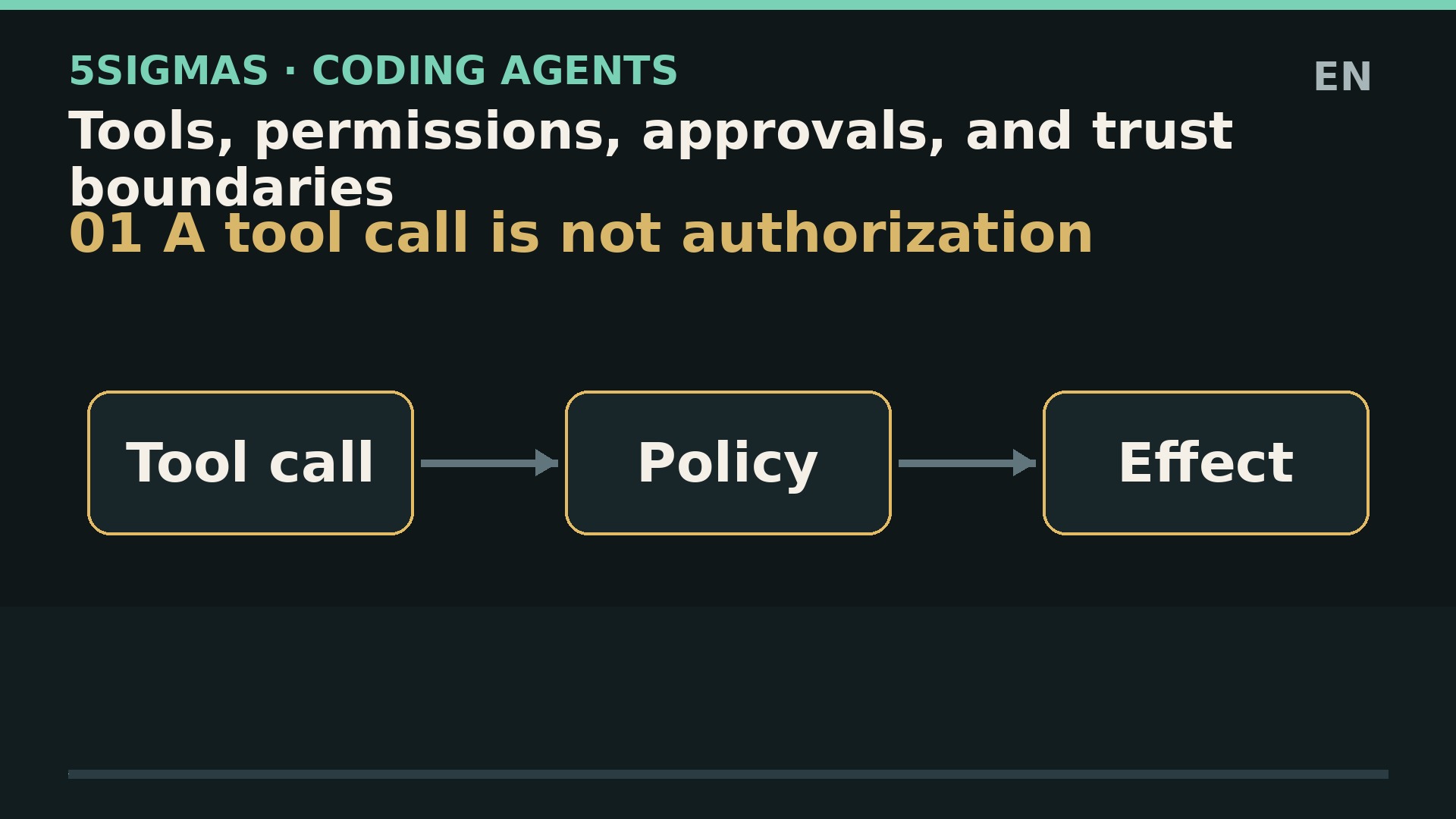
A request is not an action
The model proposes running a test. No effect has occurred yet.
The harness applies policy and starts the process in a specific workspace.
Only then is there a real result: output, errors and an exit code.
An error changes the next turn
The test rejects the --json option we just added.
That error returns to the model as an observation of the current code.
The agent fixes the parser and reruns the test. Intention cannot replace this check.
One file is not the system
Changing report() also affects the code that consumes its result.
Reading only the function misses the exporter that expects text.
Search expands the context before editing. A different model does not supply an unseen fact.
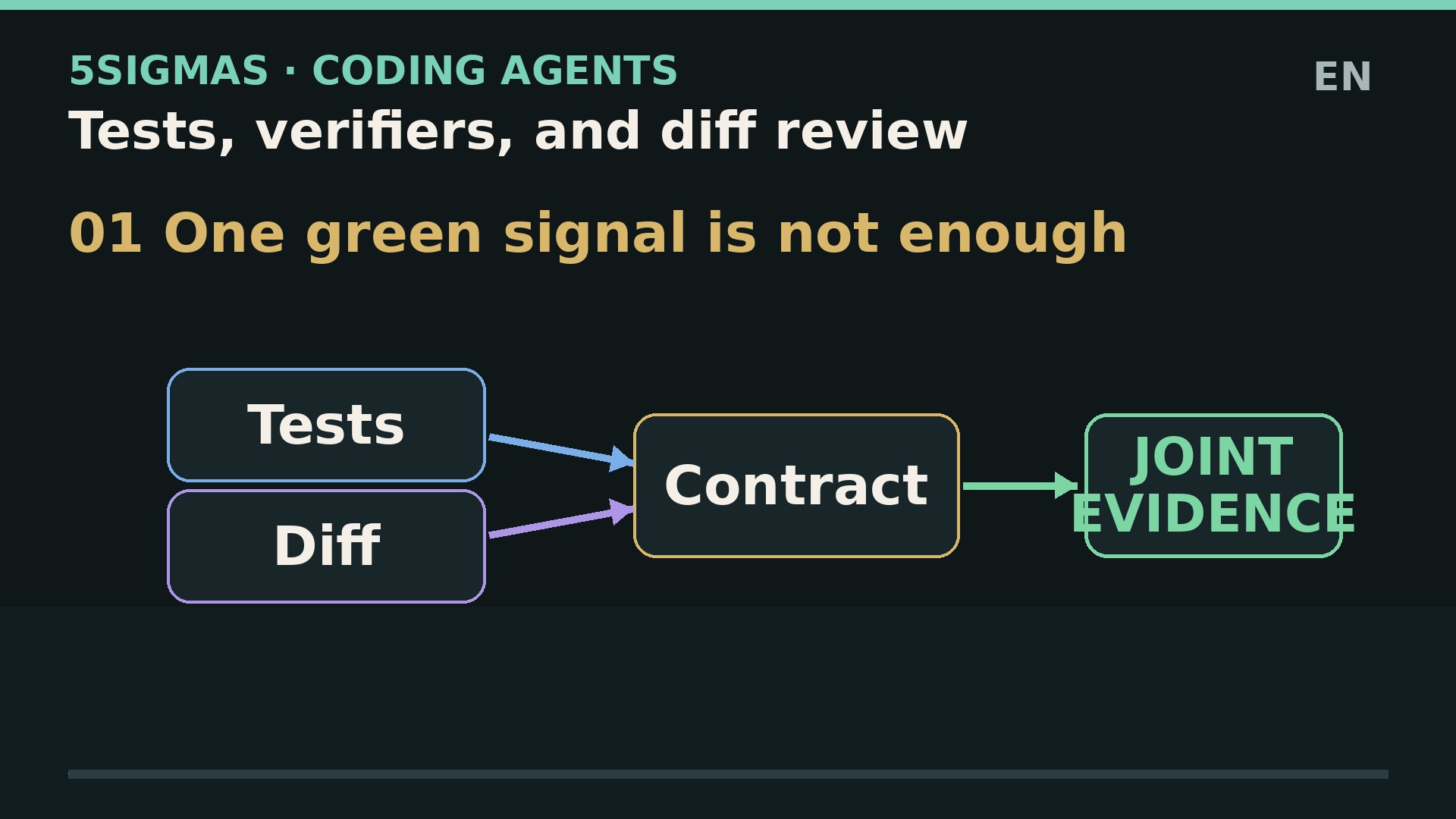
Same model, different checks
Two runs use the same model and propose the same change.
One checks style. The other also tests the previous behaviour.
The second check catches a regression. The outcome belongs to the whole system.
A PASS needs an identity
Task T7 ran its test in workspace W2 on revision A.
An edit creates revision B. The earlier receipt still describes A.
Keeping task, environment and revision identities prevents a PASS being assigned to the wrong code.
Stopping does not mean success
Once the contract is verified, the harness can deliver the result.
When a decision is missing, it returns control to the user.
When the budget runs out, it stops incomplete. These are different outcomes, not stages of success.